

One of the best parts of my job is opening an email that simply says: Approved. Yesterday was one of those days.
For almost a year, I’ve been working with Maddie to find the right vehicle solution to help her regain her independence. Maddie has a neurological condition that causes progressive muscle weakness. She can walk around 12 metres using a forearm support walker, but relies on a powered wheelchair for getting out into the community.
One of the first things we established was that Maddie could continue driving. Her driving assessment was excellent. She was safe, made good decisions and demonstrated that her medical condition wasn’t affecting her ability behind the wheel.
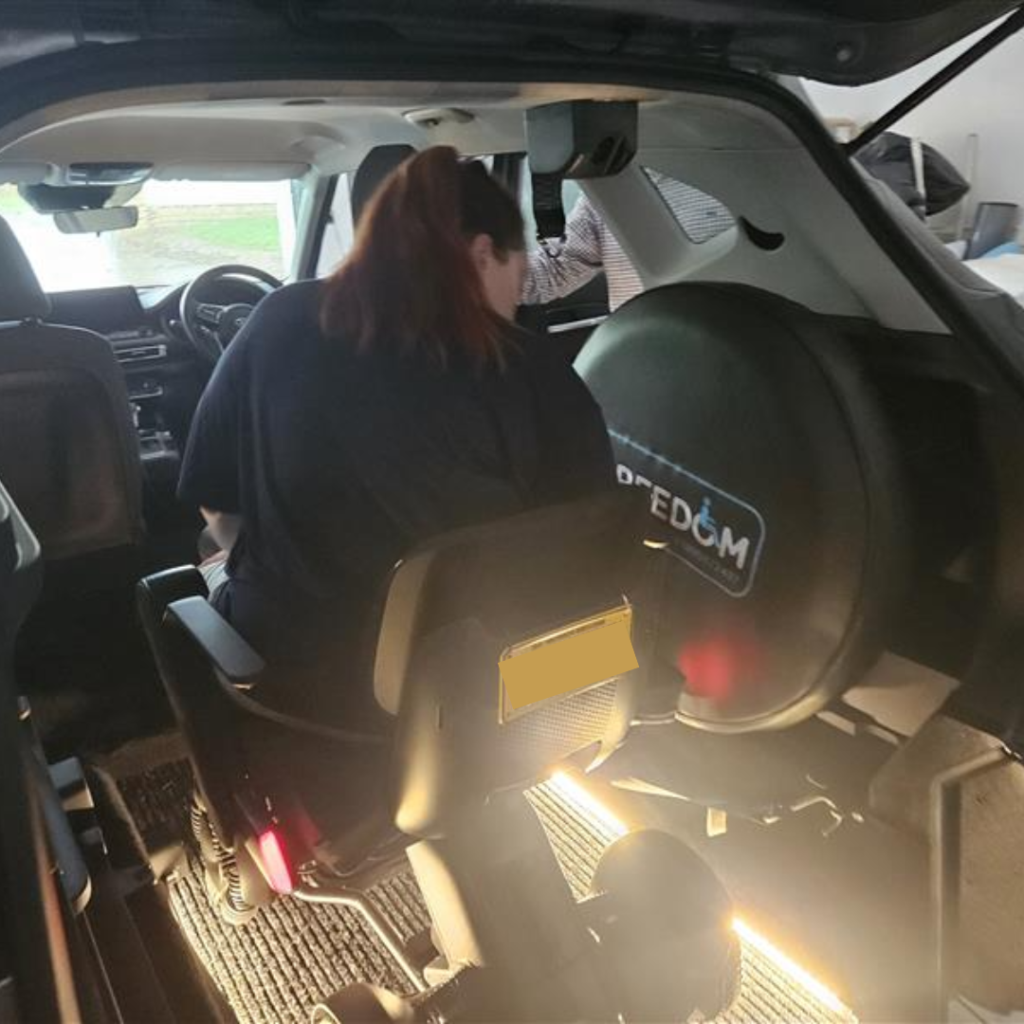
Our focus quickly shifted to a different question: How does Maddie get from her wheelchair into the driver’s seat?
How does Maddie get from her wheelchair into the driver’s seat?: Starting with the right wheelchair
Maddie had already been prescribed a WHILL powered wheelchair by her treating occupational therapist.
It’s an impressive piece of technology. It can be driven using a joystick or controlled remotely from a smartphone, allowing the chair to come to you or park itself out of the way. It was clearly the wheelchair that best met Maddie’s functional needs after trialling a number of alternatives.
Like many powered wheelchairs, however, it comes with some practical considerations. Even when dismantled, the components weigh around 65 kilograms. Anyone who has worked with powered mobility can appreciate what that means. Pulling the chair apart beside the boot, lifting each component into the vehicle and then walking around to the driver’s door simply wasn’t going to be practical or sustainable for Maddie.
Looking at the whole picture
Vehicle modification assessments are never just about measurements. They’re about understanding how someone lives. Maddie’s partner doesn’t drive, so the vehicle needed to work independently for her. They’ve made the personal decision not to have children, so preserving rear passenger seating wasn’t a priority. She’s also a renter and has moved several times over recent years, making it important that the vehicle would comfortably fit into a standard garage with accessible entry into her home.
Each of those details influenced the final recommendation.
Trialling the options
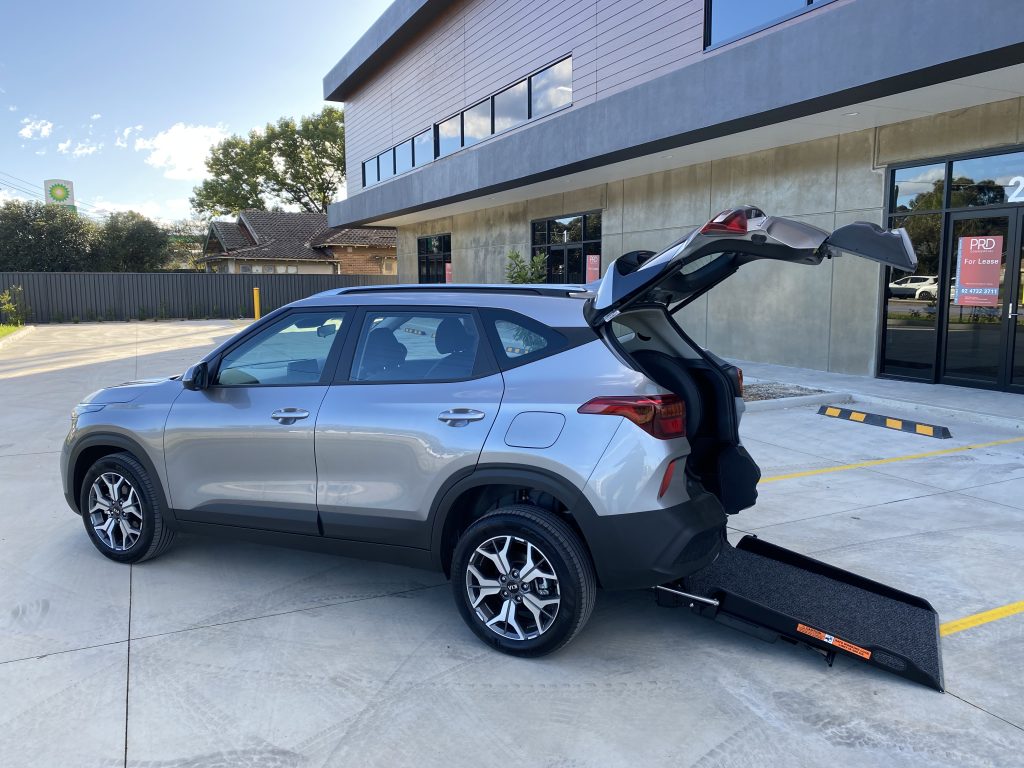
Working alongside the team at Freedom Motors, we trialled a modified Kia Seltos with a rear-entry lowered floor conversion.
As soon as Maddie tried it, everything started to come together. She was able to drive her wheelchair up the rear ramp, secure it in place and complete an internal transfer onto a powered transfer seat. From there, the seat rotated and moved her into the driver’s position.
It looked effortless, but there was a lot of work behind the scenes to make sure it was the right solution. Her physiotherapist confirmed she could complete the transfer safely and, just as importantly, that it was likely to remain a sustainable strategy with her ongoing strength and exercise program.
Working through the funding process
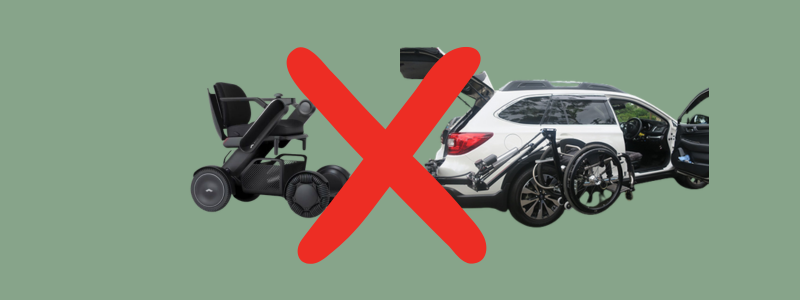
Like many complex assistive technology applications, the funding team wanted us to explore whether there was a simpler option. One suggestion was an Abiloader. On paper, it sounds reasonable. In practice, it wasn’t suitable for Maddie’s wheelchair.
An Abiloader is designed for manual wheelchairs weighing up to around 25 kilograms. Maddie’s powered wheelchair is substantially larger and heavier. Even if the weight hadn’t been an issue, the chair was simply too large to circulate through a standard boot opening.
We provided further information explaining why this option wasn’t appropriate and also revisited the original wheelchair prescription with Maddie’s treating occupational therapist. Together, we documented why this wheelchair had been selected over other options that had already been trialled.
The email we’d been waiting for
Yesterday we received confirmation that the modified Kia Seltos, including the lowered floor conversion and internal transfer seat, had been approved. It’s a fantastic outcome. Now the race is on to secure a Kia Seltos before they’re phased out. If that isn’t possible, we’ll go back to the drawing board and explore alternative vehicles. They’ll bring a different set of considerations, particularly around overall vehicle size and garage access, but that’s simply part of this work.
Why I wanted to share Maddie’s story
People often see the finished vehicle. They see the lowered floor, the transfer seat or the ramp. What they don’t see are the conversations, trials, reports, measurements and collaboration that happen over many months to reach that point.
This recommendation wasn’t built around a vehicle. It was built around Maddie’s life, where she lives, who travels with her, how far she can walk, how she transfers, what equipment she uses. And how we can help her continue driving independently for as long as possible. When she finally drives away in her new vehicle, she won’t just have a modified car. She’ll have the freedom to get to work, see friends, go shopping and live life on her own terms.
That’s why we do this work.